
Summary:
Nikhil Kamath, co-founder of Zerodha, offers a digital marketing strategy for Indian small businesses that emphasizes building trust and curiosity-driven content over traditional advertising. His approach involves creating authentic content, engaging directly with audiences, and leveraging AI tools to manage campaigns efficiently. Kamath's philosophy highlights the importance of platform independence and consistent community engagement, suggesting that small businesses can succeed without relying on agencies by focusing on genuine communication and strategic use of technology.
Table of Contents
Nikhil Kamath's Digital Marketing Rules: What Indian Small Businesses Can Learn to Generate Leads Without an Agency
If you run a small business in India and feel like digital marketing is too expensive, too complicated, or too dependent on agencies, you are not alone. The good news? One of India's most respected entrepreneurs, Nikhil Kamath, co-founder of Zerodha, has been publicly sharing a marketing philosophy that challenges everything "traditional" about the way businesses promote themselves online. And in 2026, his thinking has never been more relevant.
This blog breaks down the key lessons from the Nikhil Kamath marketing strategy and translates them into actionable steps that any Indian small business can follow, without hiring an agency, without a big budget, and without burning out.
Who Is Nikhil Kamath and Why Should Small Businesses Listen to Him?
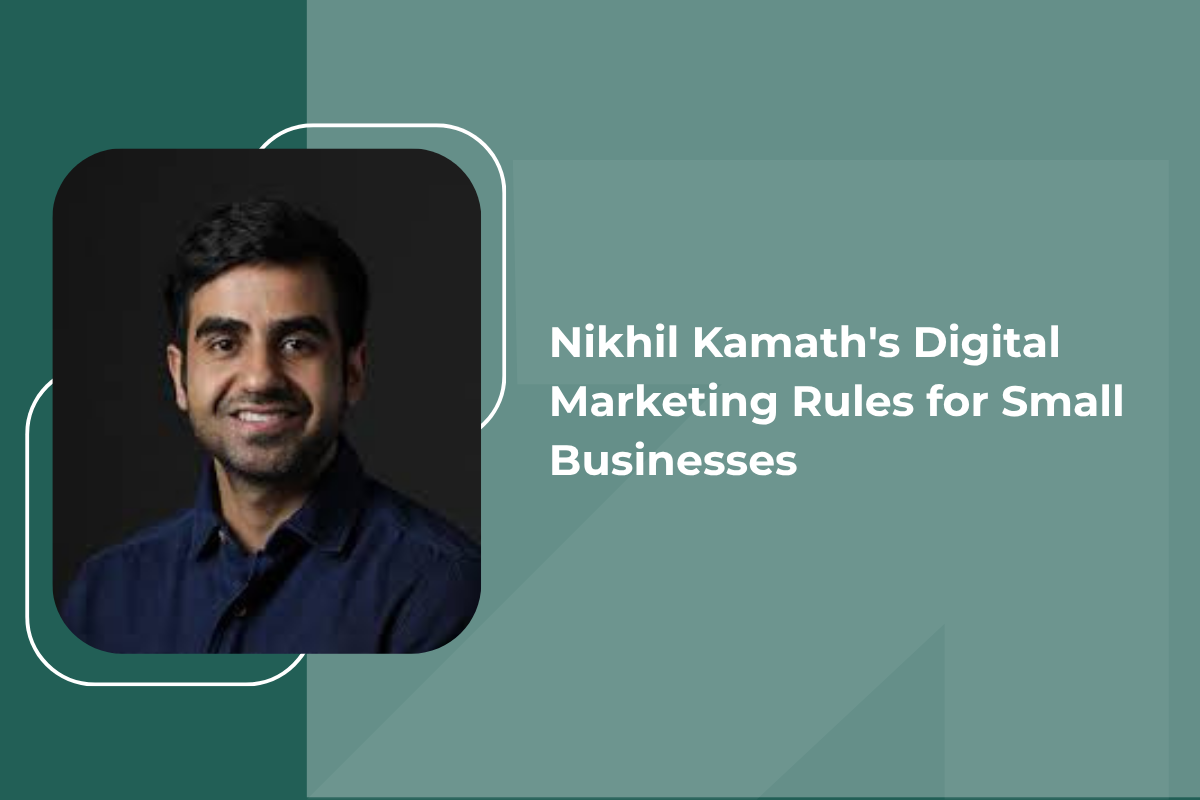
Nikhil Kamath is the co-founder of Zerodha, India's largest retail brokerage platform. What makes him remarkable from a marketing standpoint is that Zerodha became a market leader without ever running traditional paid advertising campaigns. The zerodha marketing strategy on ads is now a textbook case of how trust, product quality, and community-driven content can outperform crores spent on billboards and banner ads.
Beyond Zerodha, Nikhil hosts the popular podcast WTF is with Nikhil Kamath, where he holds candid conversations with global thinkers, investors, and entrepreneurs on topics ranging from technology to human behavior. His digital presence is deliberate and thoughtful. He does not post daily, chase trends, or dance for algorithms. And yet he commands millions of followers and enormous brand credibility.
That approach carries powerful lessons for small business owners across India.
The Real Problem with Social Media in 2026 (And What Kamath Says About It)
Before jumping into tactics, it helps to understand how Nikhil Kamath sees the current digital landscape. In a LinkedIn post that went viral, Kamath argued that the real problem facing brands and creators today is not shrinking attention spans. The real crisis is the collapse of curiosity.
Backed by research from analytics firm Oddball, Kamath pointed out that social media engagement dropped sharply in 2024. X (formerly Twitter) saw a nearly 48% fall in engagement. Facebook dropped 36%, TikTok 34%, and Instagram 16%. Average daily screen time per user also declined by around 10 minutes. Most strikingly, only 11% of users say they actually trust the content they see on social media.
Kamath described this as a "social media recession" and warned that the problem is not a lack of eyeballs but a lack of genuine interest. People are not curious anymore because platforms have prioritized click bait, repetitive advertising, and algorithm-driven content over real discovery. This phenomenon, known as "enshittification," describes how platforms degrade over time as they shift focus from user value to advertiser profits. For small businesses, the implication is clear: chasing reach without building trust is a waste of money.
Nikhil Kamath's Core Marketing Rules and What They Mean for You
1. Curiosity Beats Clicks
Kamath's biggest marketing insight is simple but overlooked. Attention without curiosity is worthless. If your ad gets 10,000 impressions but leaves people indifferent, nothing happens. What you need is content that makes people genuinely want to know more about your business, your product, and your story.
For small businesses, this means moving away from generic promotional posts ("20% off this weekend only!") and toward content that answers real questions your customers are asking. A coaching institute can create short videos explaining common exam mistakes. A real estate agent can post a guide on what to check before buying a flat. A clinic can share weekly health tips in the local language.
These are the kinds of nikhil kamath business tips for small business that translate directly into lead generation: create content people are curious about, and they will come to you.
2. Trust Is the Only Currency That Compounds
Kamath draws a historical lesson from the 2008 advertising downturn. Brands that stayed active during that recession and focused on community over clicks came back stronger. His message in 2025 was equally direct: in a climate where only one in ten users trusts social media content, the brands that win will be those that earn trust consistently, not those that shout the loudest.
For Indian small businesses, trust often comes from social proof, local language communication, and personal engagement. Responding to every comment, addressing complaints publicly, and showcasing real customer testimonials builds the kind of credibility that no agency can buy for you.
3. Platform Independence Is a Business Strategy
One of the most practical takeaways from Kamath's thinking is that you should never be entirely dependent on a single social media platform. As platforms enshittify, your reach can collapse overnight with one algorithm change. Kamath himself diversifies across YouTube, LinkedIn, X, and his podcast, ensuring no single platform controls his audience.
For small business owners in India, the equivalent is building a presence on WhatsApp, where conversations happen privately and trust is inherently higher. This is a channel where you own the relationship, not the platform. Combining smart ad campaigns with WhatsApp follow-up is one of the most effective approaches for how to get leads without a marketing agency India in 2026.
How AI Closes the Gap Between Kamath's Strategy and Your Budget
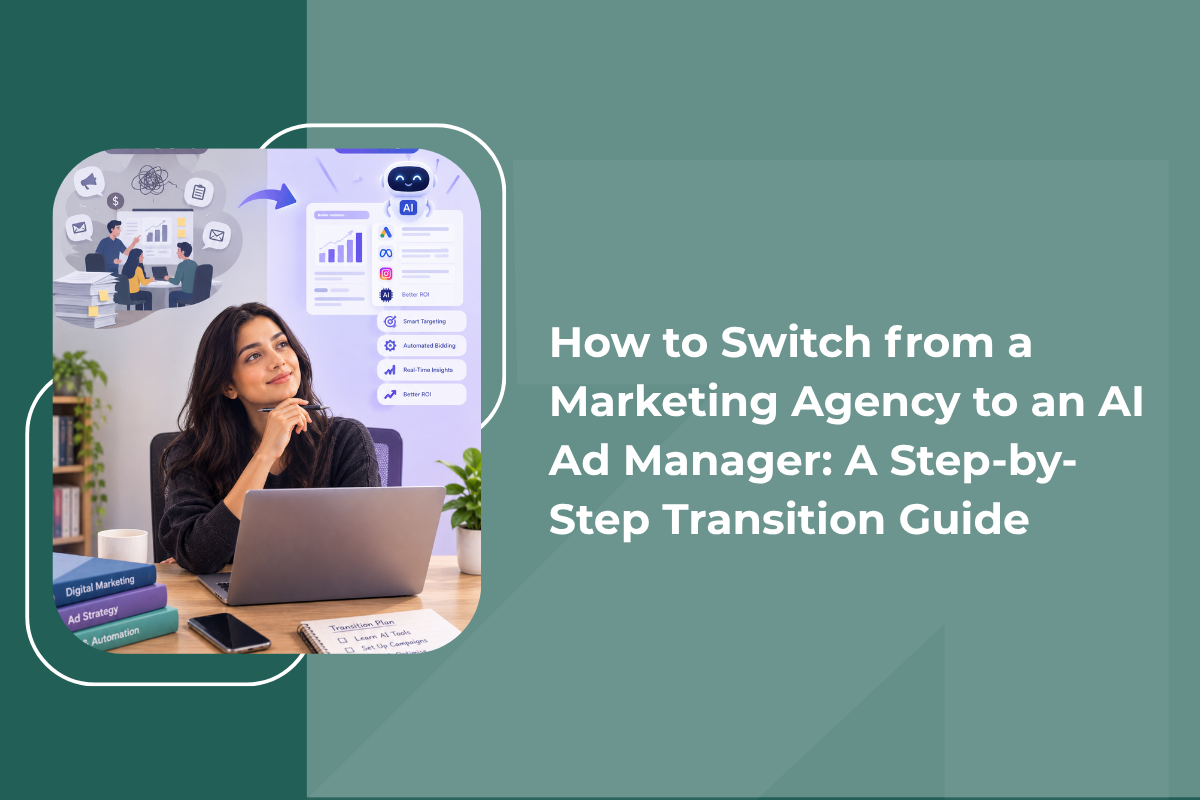
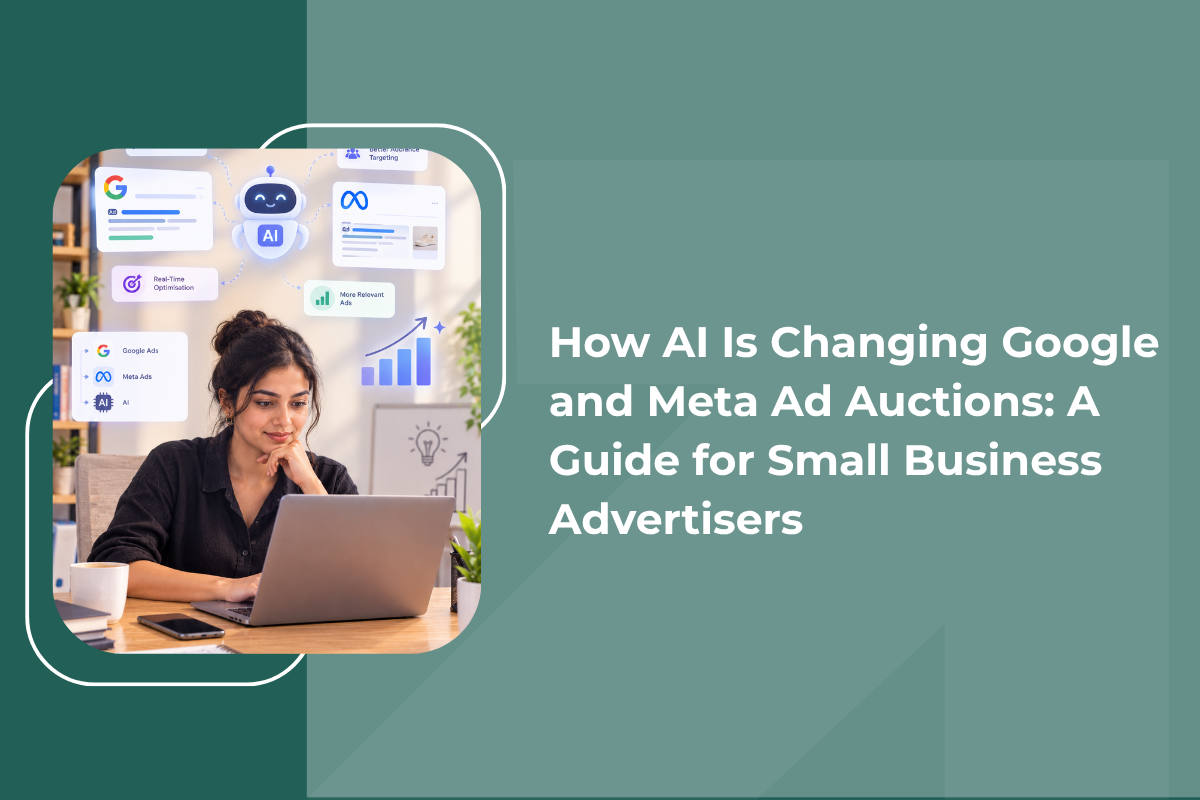
This is where things get exciting for small businesses. The principles Nikhil Kamath follows, authentic content, trust-building, multi-channel presence, were once expensive to execute. Hiring a content team, a media buyer, and a CRM manager could cost lakhs every month. In 2026, AI has changed that equation entirely.
AI lead generation India 2026 is no longer just a buzzword. Platforms like GrowEasy now allow businesses to launch targeted ad campaigns across Facebook, Instagram, and Google in under five minutes, with AI handling creative generation, audience building, bid optimization, and lead qualification automatically.
This means a dental clinic in Pune, a financial advisor in Delhi, or a home renovation firm in Bangalore can now run the kind of intelligent, data-driven campaigns that only large companies could afford two years ago. No agency, no ad manager, no stress.
GrowEasy also supports vernacular ad creation in Hindi, Tamil, Bengali, Telugu, Marathi, and more, which aligns perfectly with Kamath's emphasis on authentic communication that resonates with a specific audience rather than generic messaging aimed at everyone.
If you want to understand what this looks like in practice, you can run AI ads in 5 minutes and see the results for yourself.
Putting It All Together: A Simple Framework for Indian Small Businesses
Here is how to take Kamath's principles and implement them without an agency:
Step 1: Define your real audience. Do not market to everyone. Be specific about who you are serving, what problem you solve for them, and what would make them curious about your brand.
Step 2: Create content that earns trust. Post regularly, but post with intention. Answer questions. Share insights. Show behind-the-scenes moments. Let your expertise do the talking. This is the foundation of digital marketing for Indian small businesses 2026.
Step 3: Use AI for the heavy lifting. You do not need to spend hours setting up campaigns or testing creatives. Tools like GrowEasy handle this for you, so your time goes toward serving customers, not managing dashboards.
Step 4: Build on WhatsApp. Once a lead shows interest, move the conversation to WhatsApp. This is where Indian consumers are most comfortable, and it is where deals actually close. Automated WhatsApp follow-ups keep warm leads engaged without manual effort.
Step 5: Stay consistent, not viral. Kamath does not post every day and still commands massive credibility. Consistency over a long period beats a single viral moment. Post three to four times a week, reply to every message, and keep showing up.
What the Best Marketers in the World Agree On
Kamath's philosophy sits alongside a broader global trend. Marketing principles for Indian businesses championed by experts like Neil Patel also emphasize organic trust-building, SEO-led content, and data-backed decisions over spray-and-pray advertising. Similarly, Gary Vee's digital marketing tips focus on documenting your journey and building genuine community rather than running interruptive ads.
The convergence is clear: in 2026, the best marketing is honest, helpful, and human.
Final Thought
Nikhil Kamath built Zerodha without traditional advertising and his personal brand without daily posting or viral gimmicks. He builds trust through curiosity-driven content and consistent community engagement. These are not strategies reserved for billionaires. They are principles any small business in India can apply starting today.
You do not need an agency. You need a clear message, a genuine desire to serve your audience, and the right tools to amplify your effort. In 2026, those tools are more accessible and powerful than ever.
Start with what you know. Build with what you believe. Let AI handle the rest.
Easy and fast setup
Marketing Doesn't Have to Be Hard. Let AI Do the Work.
Start getting leads in 5 minutes – no marketing team needed.
Start Now