Summary:
Advertisers are expressing frustration with Meta's AI creative tools, which are making unauthorized changes to ad campaigns, raising concerns about brand integrity and control. Issues include distorted visuals and unwanted creative alterations. Despite Meta's assurances of control, difficulties in opting out persist, prompting some brands to explore alternative advertising platforms. This situation highlights the tension between AI efficiency and the need for human oversight, as advertisers seek greater transparency and control over their creative assets.
Table of Contents
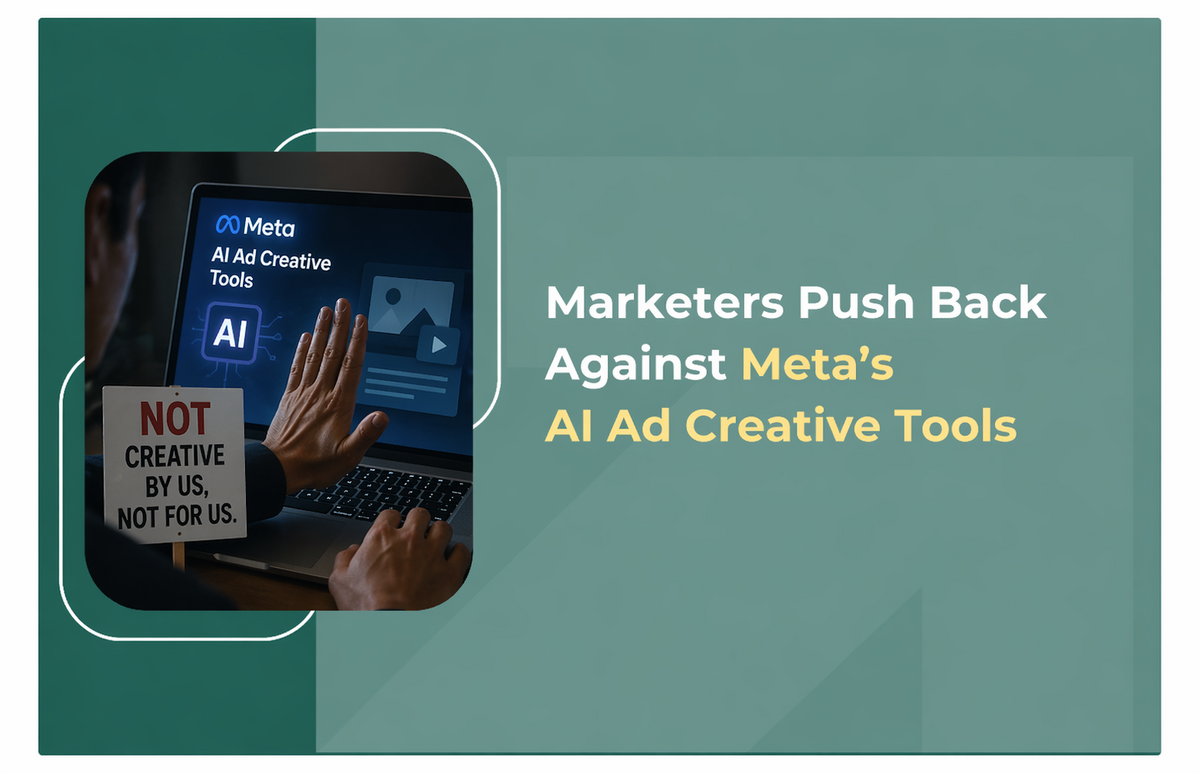
Advertisers are increasingly frustrated with Meta's automated AI creative tools. Several agencies and brands claim the platform is making unwanted changes to their ad campaigns. This issue is causing significant concern regarding brand integrity and advertising control.
The core issue revolves around unwanted creative alterations. Advertisers have cited instances where Meta’s AI systems—part of the company's broader push toward automation in ad retrieval and targeting—have modified ad assets without explicit permission. Common complaints include distorted visuals, where images are stretched, altered, or given a "strange AI sheen" that makes products appear non-existent or "off." Additionally, creative overrides are a concern. AI tools are reportedly converting static images into video assets or modifying backgrounds, sometimes resulting in nonsensical visual errors.
Trust and brand safety are paramount. Brands like clothing retailer Snag Tights have warned customers that AI-generated modifications do not reflect their actual products. They cite concerns that these alterations could be perceived as deceptive by consumers.
The "opt-out" struggle is another significant pain point. While Meta provides a mechanism to disable AI creative testing within Ad Account Settings, agencies report difficulty in successfully keeping these features turned off. Meghan Kelly, CEO of Formada Social, noted in a public post that AI features often re-enable themselves even after being deactivated. Similarly, Curtis Howland of Misfit Marketing reported that locating the specific toggles to disable these tools can be unnecessarily complex.
In response, Meta spokesperson Simone Levien stated that the company’s systems are designed to put advertisers in control. Levien emphasized that the AI tests are conducted on a "small share of ad impressions" to optimize business performance. Advertisers, she noted, retain the ability to opt out of AI creative testing at any time via their account settings.
However, the ongoing friction is leading some brands to reconsider their reliance on Meta as a primary advertising channel. Several companies are reportedly looking to diversify their ad spend. They are exploring opportunities on platforms such as Reddit, TikTok, Substack, and podcast networks to maintain tighter control over their brand creative and consumer trust.
The situation underscores a broader industry challenge: balancing the efficiency of AI-driven tools with the need for human oversight and control. As advertisers push back against unwanted AI interventions, the debate over automation in advertising continues to evolve. Brands are increasingly prioritizing transparency and control over their creative assets, seeking platforms that align with these values.
In conclusion, the friction between advertisers and Meta's AI tools highlights a critical tension in the digital advertising landscape. As technology advances, the need for clear, reliable mechanisms to manage and control AI-driven changes becomes ever more pressing. Advertisers are likely to continue advocating for greater autonomy and transparency, ensuring their brand integrity remains intact in an increasingly automated world.